Trade shows are built around interaction. Unlike conferences, there is no single focal point. Activity happens across multiple booths, conversations, and demonstrations at the same time, and this changes how photography needs to be approached.
After covering trade shows across Los Angeles, Orange County, and Las Vegas, one thing becomes clear. The most valuable images are not wide shots of the event space, but the moments where people are actively engaging with a brand.
Trade show photography needs to capture how people interact, not just what the event looks like.
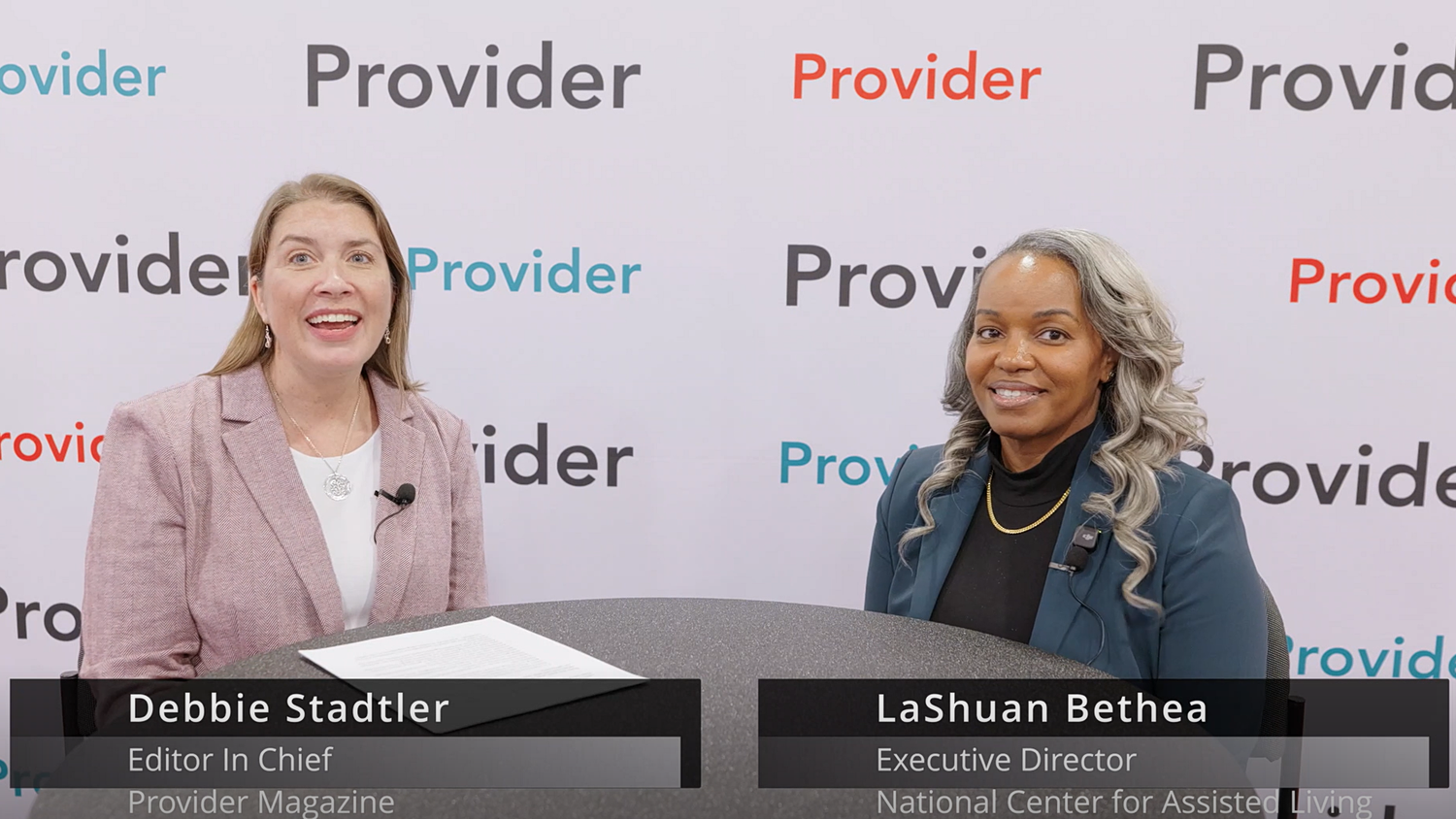
A professional trade show photographer focuses on key moments that reflect real engagement. This includes conversations between staff and attendees, product demonstrations, live interactions at the booth, and how the brand is presented within the space. These are the moments that show whether a booth is attracting attention and creating interest.
In real trade show environments, these interactions happen quickly and often in crowded spaces. Lighting is inconsistent, movement is constant, and there is rarely a second chance to capture the right moment. Experience is important here, because knowing where to position yourself and when to shoot makes the difference between generic images and content that actually reflects engagement.
For exhibitors, the goal of attending a trade show is visibility and interaction. Photography should support that goal. Images that show people engaging with a booth, interacting with products, or having conversations with staff are far more useful than general crowd shots. They demonstrate activity, interest, and brand presence.
Most businesses underuse this content after the event. Strong trade show photography can be used for marketing campaigns, social media, post-event reports, and future event promotion. These images help show what the brand looks like in a live environment and can be used to attract future clients, partners, or attendees.
There is a clear difference between basic event coverage and targeted trade show photography. Basic coverage captures wide angles and general scenes without context. Targeted photography focuses on interaction points, brand visibility, and moments that show how people engage with the business. This creates content that has a clear purpose and can be reused effectively.
When hiring a trade show photographer, businesses should look for someone who understands how trade shows actually operate. This includes knowing where engagement happens, how booths are structured, and how to capture movement without disrupting conversations. The ability to work in fast-paced environments and still produce consistent results is essential.
Trade shows also present specific challenges. These include crowded aisles, limited space, mixed lighting conditions, and constant movement. Capturing both the booth and the interaction within it without interfering with the experience requires awareness and planning. Managing these challenges effectively is what allows photographers to deliver usable and valuable content.
Trade show photography should be seen as part of a wider content strategy. The images captured can be reused for future marketing, sales materials, and event promotion. Businesses that approach trade show coverage this way tend to get significantly more long-term value from their investment.
Trade show photography is not just about documenting an event. It is about capturing how a brand connects with its audience in real time. When done correctly, it provides content that shows engagement, builds credibility, and supports ongoing marketing efforts.